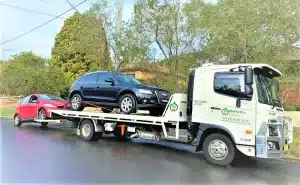

You may have an unwanted car sitting in your driveway. It could be damaged, unregistered, unsafe or simply too expensive to repair.
Getting rid of an old car is not always as simple as leaving it at the tip. The right disposal of vehicle method depends on its condition, registration and value. The right method of disposal means a big responsibility, not only for you, but also for the environment and surroundings.
Fortunately, vehicle disposal does not always mean sending a car to landfill. Many vehicles can be sold, dismantled, reused or recycled.
What Is Vehicle Disposal?
Vehicle disposal means removing a vehicle from your ownership and arranging a suitable end point for it. This may involve selling it, recycling it, dismantling it or having it collected.
You may need to dispose of vehicle assets for several reasons, including: an old car that keeps breaking down, a badly damaged vehicle, a car that no longer runs, a scrap vehicle, an expensive repair, an end-of-life vehicle, and a car taking up valuable private space
A proper disposal of car process can also recover useful materials and parts. Australia’s waste policy supports better resource recovery, reuse and recycling.
How to Dispose of a Car in Australia
There are several ways to dispose of a car, depending on your situation.
- Sell it privately
- Sell it to a dealer
- Sell it to an auto wrecker
- Contact a car removal company
- Arrange vehicle recycling
- Trade it in when buying another vehicle
Selling privately may suit a newer car with strong market demand. A wrecker or removal service may be easier for an old, damaged or non-running vehicle.
State rules also matter. For example, VicRoads says owners can cancel registration before selling to an auto wrecker or using a vehicle disposal company.
How to Dispose of an Old Car
Old vehicles can become harder to maintain as they age. Small repairs can eventually become regular expenses. Rust, poor fuel economy and expensive parts can also reduce the car’s appeal to private buyers.
If you are wondering how to dispose of a car that has reached the end of its useful life, compare its repair costs against its current value. Selling it to a wrecker can make sense when repairs no longer add enough value. Parts may still have value even when the complete vehicle does not.
How to Dispose of a Damaged Car
Accident damage does not automatically make a vehicle worthless. The best disposal vehicle option depends on the extent of the damage.
A car may have some extent of damage, like: minor body damage, major accident damage, flood damage, fire damage, engine damage, transmission problems, and structural damage.
A severely damaged vehicle may be more useful for parts than another road-going car. This is one reason wreckers and recyclers can be useful when deciding how to dispose of car after an accident.
How to Dispose of a Non-Running Car
A vehicle does not need to start before you can dispose car. Dead engines, failed transmissions and electrical faults can leave cars sitting unused for months. Flat tyres and long-term breakdowns can also make private selling difficult.
A vehicle collection service can remove the need to make the car roadworthy first. Always confirm the collection process and any costs before agreeing to the service.
Can You Dispose of a Car Without Selling It Privately?
Yes. Private advertising is only one option. You can consider:
- Auto wreckers
- Vehicle recyclers
- Car removal companies
- Scrap vehicle buyers
- Dealers
This can be particularly useful when you need to get rid of a vehicle that is damaged or no longer running.
You also avoid many parts of a private sale. There may be no need for repeated enquiries, inspections or lengthy negotiations.
Dispose of a Car Through an Auto Wrecker
An auto wrecker can be a practical choice for disposal of cars that have reached the end of their useful road life.
The wrecker may assess the vehicle before deciding its value. Depending on the car, reusable parts can be recovered before the remaining materials are processed.
Some vehicles may have value through engines, transmissions, panels, wheels or other components. Metal can also enter recycling streams.
Consumer advice in Victoria recognises auto recyclers and wreckers as options for vehicles in extremely poor condition.
Can an Old Car Be Recycled?
Yes. Many parts of an end-of-life vehicle can potentially be recovered. These may include: steel and other metals, reusable parts, tyres, batteries, glass, fluids, and other vehicle materials
The Australian Government promotes reuse and resource recovery as part of Australia’s waste management approach.
Proper recycling is therefore a better choice than abandoning an unwanted car. It keeps useful materials in circulation and reduces unnecessary waste.
What Happens to a Car After Disposal?
The exact process varies between businesses. However, a legitimate disposal vehicle process may involve several stages.
- The vehicle is collected.
- Its condition is assessed.
- Reusable parts may be removed.
- Fluids and other components are handled appropriately.
- Suitable materials are separated for recycling.
- Remaining scrap is processed.
Not every company follows the same procedure. Ask the provider what happens to your vehicle before handing it over.
How to Dispose of a Car That Is Still Registered
Registration requirements differ between Australian states and territories. Check your state authority before completing the disposal.
In NSW, owners selling or disposing of vehicles may need to submit a notice of disposal. Service NSW also advises keeping a copy for your records. For NSW vehicles, you should also remove toll tags, passes and permits. Service NSW recommends deleting the registration number from your toll account. Victoria has different requirements. VicRoads states that owners should remove number plates and cancel registration before disposing of a vehicle.
What Documents Do You Need to Dispose of a Car?
Prepare your paperwork before arranging disposal of vehicle services. You may need: proof of ownership, registration details, driver licence or identification, VIN or chassis number, number plates, sale or disposal receipt, and finance details.
Requirements can vary depending on your state and disposal method. Ask the buyer what documents they require before collection.
What Should You Remove Before Vehicle Disposal?
Do not hand over your personal belongings with the car. Check the glovebox, boot, centre console and door pockets carefully. Look under seats and inside storage compartments too.
Then, remove things like: personal documents, toll tags, parking permits, garage remotes, spare keys, phone holders, valuable accessories, and personal information from electronic systems.
For NSW vehicles, Service NSW specifically advises removing tags, passes and permits.
What Happens to Your Number Plates?
Number plate rules vary across Australia. Standard, personalised and special plates may have different requirements. Some plates can be retained or transferred, while others may need to be returned. For example, NSW allows certain personalised or special plates to be retained or transferred. Removed plates must be returned to a service centre.
So, check your state’s rules before arranging disposal car services.
Can You Dispose of a Car With Finance Owing?
Do not assume finance disappears when you dispose of a car. If money is still owing, contact your lender first. Ask for the current payout figure and confirm how the loan should be settled.
You should also tell the buyer about the finance. Keep written records showing how the outstanding amount was handled.
Never simply abandon a financed vehicle. The finance agreement remains a separate obligation.
How to Dispose of a Car That Has Been Written Off
Written-off vehicles need extra care during disposal of car. A vehicle may be classified as a statutory or repairable write-off. Registration and plate requirements can differ between states.
In NSW, Service NSW has specific requirements for written-off vehicles. Registration cancellation may be required in certain circumstances.
If your car has been written off, check your state’s rules before selling it to a wrecker or recycler.
How to Dispose of a Car You No Longer Want
Sometimes the simplest reason for disposing of car is that you no longer need it. The vehicle might be old, damaged, unregistered or sitting unused. It may also cost more to repair than you want to spend.
Instead of leaving it on your property, you can request a vehicle assessment from a professional buyer. If you accept the offer, arrange collection and keep your disposal records.
For Sydney owners, car wreckers can provide an option when an unwanted vehicle is difficult to sell privately.
Vehicle Disposal vs Selling Your Car
Selling Privately
Private selling can bring a higher price when your vehicle is desirable. However, you need to advertise the car and answer buyer questions. You may also deal with inspections, negotiations and test drives.
Selling to a Dealer
Dealers can offer convenience and may provide a trade-in option. However, the offer depends on the vehicle’s condition, demand and dealership requirements.
Selling to a Wrecker or Vehicle Removal Company
This option can suit unwanted, damaged or non-running vehicles. Collection may also be available, which removes the need to make the vehicle roadworthy first. Compare offers and check the company’s terms before accepting.
How to Choose a Vehicle Disposal Service
A good provider should explain the process before collecting your car. These things you should look for: a clear quote, transparent payment terms, proper vehicle collection, proof of sale or disposal, clear registration guidance, legitimate business details, and no unexpected charges.
Avoid anyone who refuses to provide basic documentation. A professional transaction should leave you with useful records.
What Not to Do When Disposing of a Car
Avoid shortcuts when deciding how to get rid of a vehicle. Do not: abandon the vehicle, dump it illegally, leave it on a public road, forget registration requirements, leave personal documents inside, ignore outstanding finance, use an unknown operator, and lose your disposal records.
Abandoning a vehicle can create further problems for the owner. Follow your state’s requirements and use a legitimate disposal pathway.
Vehicle Disposal Checklist
Before you dispose of a vehicle, work through these steps:
- Decide how you want to dispose of the vehicle
- Check ownership and vehicle details
- Check whether finance is owing
- Remove personal belongings
- Remove toll tags and permits
- Check your registration requirements
- Deal with number plates as required
- Get a quote if selling the vehicle
- Arrange collection if necessary
- Keep payment and disposal records
- Confirm registration is no longer in your name where applicable
Vehicle Disposal FAQs
How do I dispose of a car?
You can sell privately, trade it in, sell it to a dealer or use a wrecker. Recycling and professional vehicle collection are also options.
How do I get rid of an unwanted vehicle?
You can sell it to a wrecker, recycler or professional vehicle buyer. The best option depends on its condition and location.
Can I dispose of a car that does not run?
Yes. Non-running vehicles can often be collected by suitable vehicle removal or disposal services.
Can I dispose of a damaged car?
Yes. Damaged vehicles may still have value through parts, metal or other recoverable materials.
Can I dispose of a car without registration?
Yes, but requirements differ between states and territories. Check the rules before arranging collection or sale.
Do I need to cancel my car registration before disposal?
It depends on your state and disposal method. NSW and Victoria have different requirements, so check the relevant authority first.
Can I get money when I dispose of my car?
Possibly. An unwanted vehicle may still have value based on its parts, condition, make, model and recyclable materials.
What happens to a car after it is disposed of?
A vehicle may be dismantled, with reusable parts recovered and suitable materials sent for recycling. The exact process depends on the disposal provider.
The key is to dispose a car through a legitimate and responsible channel. Taking care of registration, paperwork and personal belongings can prevent problems later.
A professional buyer can also make the process easier when the vehicle is old, damaged or no longer roadworthy.