
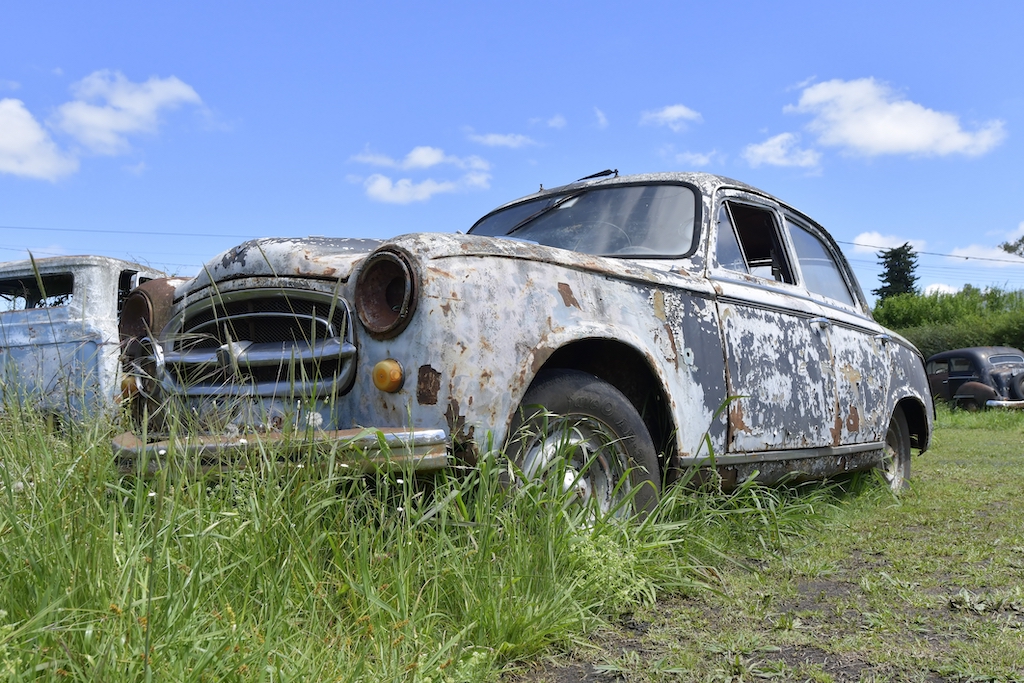
Rusting in car has a way of making car owners panic. The moment it shows up around a wheel arch, under a door, or along the frame, most people assume the value has dropped straight to zero. For many Australians driving older vehicles, rust feels like the beginning of the end.
But the truth is, selling a car with rust is still very possible, and in some cases, the price might surprise you. Rust doesn’t automatically make a car unsellable. What matters far more is *where* the rust is, how advanced it is, and who you’re trying to sell the car to.
Across Australia, plenty of cars on the road are well past their “showroom years.” Age, coastal air, weather exposure, and daily wear all take a toll.
This article explains value that is affected by car rust, types of rust that influence buyers, and tips to sell it efficiently.
Can You Sell a Car With Rust in Australia?
Sure, it’s legal to sell rusted car in Australia. The key difference is whether the car is sold as roadworthy or non-roadworthy. If you’re advertising the car as roadworthy, it must meet safety standards. Serious rust, especially structural rust can cause problems during inspections.
If the car isn’t roadworthy, that’s still fine. You just need to be upfront. In Australia, the main rule is simple: if you know there’s a problem, you can’t pretend it’s not there. That includes rust in areas that affect safety or the strength of the car. Most issues don’t come from the rust itself, but from sellers trying to gloss over it.
Because of that, many owners with rusty cars choose buyers who already expect wear and damage. It removes the stress of inspections and arguments later on, especially when the car isn’t realistically going to pass roadworthy checks anyway.
Types of Rust on a Car (And Why It Matters)
Each rust on car has a different level on how it makes the car safe or not.
- Surface rust
It usually appears where paint has chipped or worn away. While it affects appearance, surface rust doesn’t normally weaken the car. Many buyers see this as cosmetic.
- Structural rust
This is where rust becomes a serious issue. Structural rust affects parts of the car that support weight or protect occupants, such as pillars, sills, or suspension mounting points. This is the type that scares buyers off.
- Rust in the car frame or underbody
Rusting in the car’s frame, floor pans, or underbody can go unnoticed until it’s severe. This type of rust often makes a car unsafe to drive and costly to repair.
Buyers aren’t scared of rust itself, they’re scared of hidden risk. The closer rust gets to the structure of the car, the harder it is to sell privately.
How Rust Affects Your Car’s Value
Small rust in the car usually won’t make buyers panic since they use it to negotiate and move on, especially if the car still drives well and hasn’t caused problems.
Once rust spreads into important areas, that’s when interest drops off. Fixing it properly costs real money, and on older cars, the numbers often don’t stack up. A lot of buyers won’t bother once they see that.
Even then, the car isn’t useless. When repairing it no longer makes sense, its value comes from parts and scrap instead. Rust doesn’t mean “no value”, it just means the value shows up in a different way.
Best Ways to Sell a Rusted Car
There are several ways on how to sell a car with rust and depend on the level of rust:
- Private sale
Works best for cars with light surface rust. Expect more questions, slower responses, and price negotiations. Serious rust will limit buyer interest.
- Trade-in
Dealers usually offer very low amounts for rusted cars. Rust increases reconditioning costs, so trade-ins often undervalue old rusty cars with visible corrosion.
- Scrap car removal
For cars with serious rust, this is often the simplest path. These buyers aren’t judging the car on looks or resale potential. They’re interested in what can still be reused and what the car is worth in metal, so rust isn’t an automatic deal-breaker.
When a vehicle has heavy corrosion and repairs no longer make sense, going through a cash for cars Sydney service usually avoids the back-and-forth.
How to Sell a Car With Rust (Step-by-Step)
Selling a rusty car is mostly about setting the right expectations early. If you do that, the rest tends to fall into place.
- Call the rust out from the start
Don’t wait for someone to discover it in person. Mention where the rust is and how bad it looks. It saves you from wasted inspections and awkward conversations later.
- Give it a basic clean and be honest with photos
You don’t need to make it perfect. Just wash off the grime so the rust is visible for what it is. Clear photos build more trust than trying to hide anything.
- Pick buyers who actually want a car like yours
Some people want tidy cars. Others don’t care as long as the price makes sense. Aim your sale at buyers who are realistic about rust.
- Check more than one price
One buyer’s low offer doesn’t define your car’s value. A few quotes quickly show you what the car is really worth in its current condition.
When you’re upfront and realistic from the beginning, the sale usually moves faster and with far less stress.
Should You Repair Rust Before Selling?
Most of the time, fixing rust before selling just doesn’t make financial sense.
Small touch-ups can help newer cars look better, but once a car has some age on it, rust repairs get expensive fast. Buyers also tend to be sceptical. Many assume the rust will come back, especially if the repair looks quick or cosmetic.
When rust has spread into structural areas or multiple panels, repairs rarely add much to the final sale price. Thus, it is much better and smarter to sell the rusted car as it is.
When Selling a Rusty Car for Scrap Makes Sense
There is a moment when your rusty car is inconvenient at first, then it turns into a problem.
Private buyers usually avoid a car whose inspection has failed and is no longer roadworthy. That’s when scrapping makes sense. Scrap buyers aren’t focused on how the car looks, they’re paying for the metal and usable parts.
When repairs no longer stack up, moving the car on for scrap can be the cleanest way to close the chapter and move on.
For many owners of old rusty cars, this option removes stress and voids pouring more money into a vehicle that’s reached the end of its practical life.
Conclusion
Once you understand where the rust is and how serious it is, the decision becomes much clearer.
The key is being upfront, setting realistic expectations, and choosing a buyer who actually wants a car in that condition. Sometimes that’s a private sale. Other times, it’s simply time to move on.
If your car has reached that point and repairs no longer make sense, Metro Car Removal gives you a straightforward way to sell it as it is, no fixes, no inspections, and no drawn-out process. Often, the simplest option ends up being the best one.
FAQ
- Can you sell a car with rust in Australia?
Sure. Rust is legal in Australia as long as it’s disclosed honestly without hidden information. - Does rust make a car unsellable?
No. it limits options but doesn’t remove value entirely. - Is it better to fix rust or sell as is?
For rusty old cars, selling as-is is usually better financially. - Who buys rusty old cars?
Private buyers for minor rust, and scrap buyers for severe rust.